Fort Mill, South Carolina has experienced rapid growth over the past decade, transforming from a small-town community into a thriving suburban hub closely connected to the Charlotte metropolitan area. While this expansion has brought economic opportunity, new housing, and infrastructure improvements, it has also intensified environmental pressure, raising concerns similar to those seen in the Water Crisis in Jackson Mississippi How Access. With more vehicles on the road, expanding construction projects, and increased industrial activity nearby, pollution has emerged as a serious concern for residents and local leaders. Air quality fluctuations, stormwater runoff, and waste management challenges now stand at the center of Fort Mill’s environmental conversation, prompting a community-wide push to protect public health and natural resources. Fort Mill, South Carolina has experienced rapid growth over the past decade, transforming from a small-town community into a thriving suburban hub closely connected to the Charlotte metropolitan area. While this expansion has brought economic opportunity, new housing, and infrastructure improvements, it has also intensified environmental pressure, raising concerns similar to those seen in the Water Crisis in Jackson Mississippi How Access. With more vehicles on the road, expanding construction projects, and increased industrial activity nearby, pollution has emerged as a serious concern for residents and local leaders. Air quality fluctuations, stormwater runoff, and waste management challenges now stand at the center of Fort Mill’s environmental conversation, prompting a community-wide push to protect public health and natural resources.
Air Quality, Traffic, and Industrial Impact
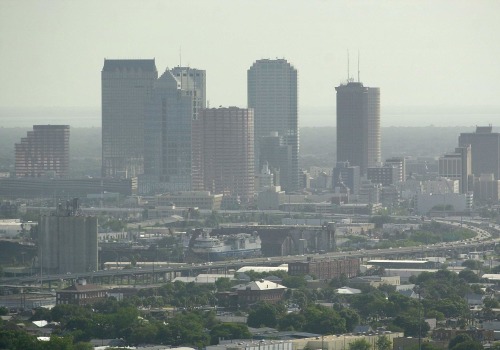
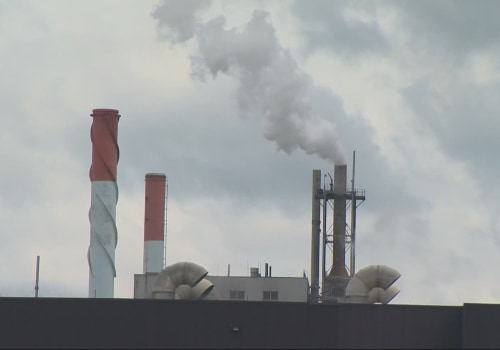
One of the most visible aspects of Fort Mill’s pollution struggle is air quality. Increased commuter traffic linked to regional growth has resulted in higher vehicle emissions, especially during peak travel hours. Diesel trucks servicing construction sites and distribution centers contribute to particulate matter that affects respiratory health. While Fort Mill itself is not heavily industrial, its proximity to larger commercial corridors means regional emissions do not respect municipal boundaries. Residents have become more vocal about the health effects tied to prolonged exposure to air pollutants, particularly for children, the elderly, and individuals with asthma or chronic respiratory conditions.
Water Pollution and Stormwater Runoff Concerns
Water pollution is another critical front in Fort Mill’s fight. As development replaces green space with pavement and rooftops, rainwater runoff increases dramatically. This runoff carries oil, sediment, fertilizers, and household chemicals into local creeks and waterways. These contaminants affect aquatic ecosystems and threaten the long-term sustainability of the town’s natural drainage systems. Flooding risks also rise as natural absorption decreases. Local officials and environmental advocates are now emphasizing stormwater management systems, sustainable drainage designs, and stricter erosion controls to slow the flow of pollutants into Fort Mill’s waterways.
Community Advocacy and Local Action
Grassroots organizations and neighborhood coalitions have become key drivers of Fort Mill’s environmental response. Public forums, environmental education initiatives, and citizen-led monitoring programs have brought pollution issues into sharper public focus. Residents are advocating for better zoning practices, expanded green buffers, and stronger environmental accountability for new developments. Local schools have joined the effort by incorporating environmental education into student programs, helping raise awareness from an early age and instilling a long-term sense of responsibility toward sustainability and conservation.
Economic Growth and Environmental Responsibility
Fort Mill’s economic success is closely connected to regional lending, real estate, and development markets, including mortgage lenders in Charlotte NC, which benefit from the area’s housing demand. However, this financial growth also highlights the importance of responsible development practices. As more people move to the region, the balance between economic expansion and environmental protection becomes more delicate. Developers, lenders, and local officials are increasingly being challenged to incorporate sustainable building methods, energy efficiency, and reduced environmental footprints into future projects to ensure that growth does not come at the cost of long-term livability.
Government Policies and Sustainable Infrastructure
Local government has begun responding with updated environmental regulations, expanded inspections, and incentives for green infrastructure. Requirements for improved stormwater systems, tree preservation, and controlled construction runoff are becoming more common. Investments in wastewater treatment upgrades, recycling programs, and community green spaces are helping reduce pollution impacts while improving quality of life. Although these measures carry financial costs, they are widely viewed as essential investments in Fort Mill’s future health and resilience.
Public Health and Long-Term Community Well-Being
Pollution is not merely an environmental issue—it is a public health concern with long-term consequences. Poor air and water quality are linked to increased healthcare costs, reduced productivity, and declining overall wellness. Fort Mill’s fight against pollution is therefore also a fight to protect the physical and economic well-being of its residents. Cleaner environments lead to healthier families, stronger school performance, and more stable workforce participation.
A Community at a Turning Point
Fort Mill now stands at a turning point where collective action can determine the long-term outcome of its pollution crisis. Through coordinated efforts among residents, local government, developers, and regional partners, the town is working to ensure that growth does not override environmental responsibility. The fight against pollution in Fort Mill is not just about correcting today’s problems—it is about protecting tomorrow’s opportunity, health, and quality of life for generations to come.